Understanding AI Hentai and Its Impact on Digital Art
As digital technology continues to evolve, so does the medium of artistic expression. One of the most intriguing developments in recent years is the rise of ai porn, a fusion of artificial intelligence and adult-themed anime art that is reshaping the landscape of digital art. This phenomenon not only sparks conversations about creativity and technology but also broadens the scope of what art can represent in the digital age. With the integration of AI, artists now possess powerful tools that enhance their creativity, streamline their workflows, and provide endless possibilities for innovation.
What is AI Hentai?
AI hentai can be defined as the creation of hentai artwork through the use of artificial intelligence algorithms. This can include generating images, animations, and even narrative elements that align with the stylistic conventions of hentai—a genre of anime and manga that often contains explicit content. The process typically involves utilizing machine learning models that have been trained on vast datasets of existing hentai art, allowing the AI to learn patterns, styles, and characteristics inherent to the genre.
In essence, AI hentai represents a confluence of technology and creativity, where artists can leverage AI capabilities to either enhance their work or generate entirely new content. The results can range from hyper-realistic characters to abstract interpretations influenced by the emotional and thematic elements of hentai.
The Evolution of AI in Art Creation
The use of AI in art is not a recent phenomenon; artists have been experimenting with computational creativity for several decades. However, recent breakthroughs in deep learning, particularly in Generative Adversarial Networks (GANs), have revolutionized the field. These advancements allow AI systems to create art that can be indistinguishable from works produced by human hands.
Initially, AI-generated art was mostly confined to abstract creations or imitations of existing styles. Today, however, with tools specifically designed for genres like hentai, artists can produce intricate and contextually rich content. As AI continues to advance, the potential for more complex and nuanced creations grows, challenging traditional notions of authorship and creativity.
Current Trends in AI-Generated Hentai
As of 2026, AI-generated hentai is witnessing a surge in popularity, thanks to improved software and wider accessibility of AI tools. Here are some notable trends:
- Customization: Many platforms now allow users to input specific parameters or prompts, leading to highly personalized artworks that resonate more with individual tastes.
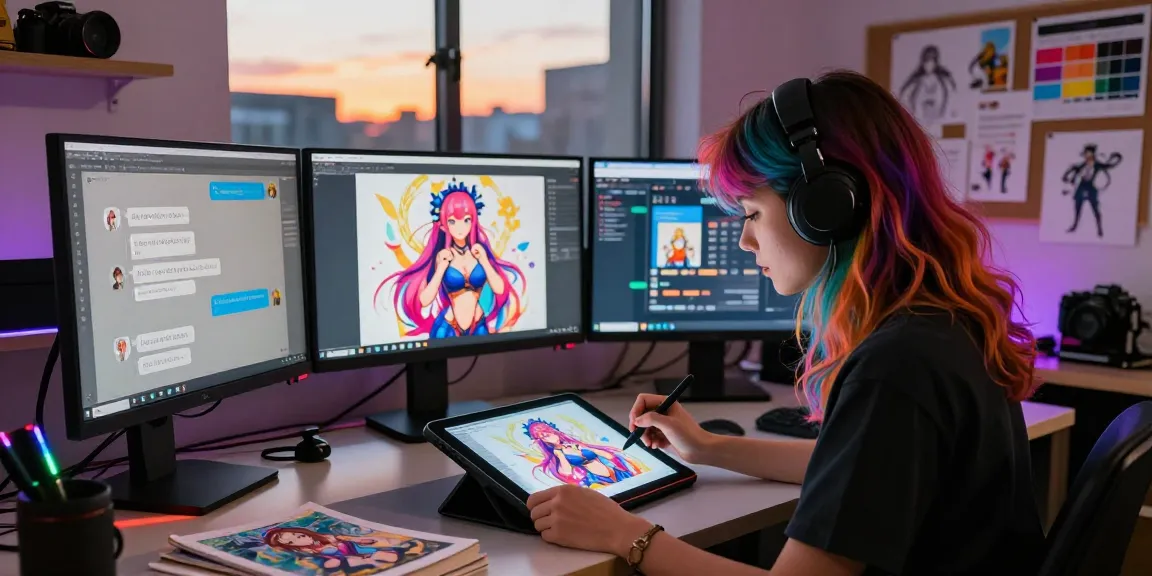
- User Collaboration: Artists and AI systems are increasingly working together, with creators guiding the AI to produce works that reflect their unique vision, resulting in a hybrid art form.
- Community Engagement: Online communities and forums surrounding AI hentai are flourishing, where artists share their creations, techniques, and critiques, fostering a culture of collaboration and innovation.
Benefits of Using AI Tools for Hentai Artists
Enhancing Creativity and Reducing Time
One of the primary advantages of using AI in hentai art creation is its ability to enhance creativity while significantly reducing the time required to produce high-quality artworks. For many artists, the iterative process of refinement can be time-consuming. AI can expedite this by generating multiple iterations of a concept in a matter of minutes, allowing artists to focus on refining and perfecting their ideas rather than getting bogged down in the execution.
Expanding Artistic Horizons and Styles
AI technologies offer artists a broader palette of styles and inspirations. Tools can analyze thousands of works to identify emerging trends and unique styles, thereby enabling artists to experiment with novel techniques and genres. This democratization of styles encourages artists to step outside their comfort zones and explore diverse artistic expressions.
Collaboration Between Artists and AI Systems
The partnership between human artists and AI systems opens up new creative avenues. Artists can now treat AI not merely as a tool but as a collaborative partner—one that brings fresh perspectives and unexpected outcomes. This dynamic interaction can lead to innovative creations that neither the artist nor the AI could have achieved alone.
Challenges Facing Artists in AI Hentai Creation
Intellectual Property Concerns
As with any new technology, AI in art creation raises significant intellectual property concerns. Artists must navigate the complexities of ownership—particularly when AI models are trained on existing works. Questions arise about who owns the copyright to AI-generated art and whether using copyrighted material for training purposes infringes on the rights of original creators.
Navigating Ethical Considerations
The ethical implications of AI hentai also provoke debate. Issues surrounding consent, representation, and the potential for misuse of AI tools in creating inappropriate or harmful content must be addressed. The art community is gradually working towards establishing guidelines that respect both artistic freedom and ethical responsibility.
Balancing Artistic Integrity with Technology
For many artists, the rise of AI tools presents a dilemma: how to embrace technology while maintaining their artistic integrity. There is a concern that relying too heavily on AI may dilute the personal touch that defines much of traditional art. Artists are encouraged to find a balance, integrating AI in ways that complement and enhance their unique style rather than replace it.
Best Practices for Integrating AI into Hentai Art Creation
Selecting the Right AI Tools
Choosing the appropriate AI tools is crucial for successful integration into the creative process. Artists should explore various platforms and software that cater specifically to hentai art, considering factors like usability, customization options, and community support to find those that best fit their needs.
Creating Effective Prompts for AI Collaboration
The effectiveness of AI-generated art often hinges on the quality of the prompts provided by artists. Clear, detailed prompts can significantly influence the outcome of the generated artwork. Artists should learn to articulate their vision precisely, exploring different ways of expressing what they want from the AI.
Utilizing User Feedback for Improvement
Engaging with audiences and receiving feedback is vital for growth as an artist. AI enables rapid iterations, but artists should also seek external opinions to gauge the reception of their work. Utilizing feedback helps refine not only the individual artwork but also the artist’s overarching approach to integrating AI into their creative process.
The Future of AI Hentai: Trends and Predictions for 2026 and Beyond
Technological Innovations on the Horizon
The future of AI hentai looks promising, with technological advancements poised to revolutionize the genre even further. Expect innovations in neural networks that can better understand context, leading to more sophisticated storytelling and character development within AI-generated art.
Emerging Communities and Marketplaces
As AI hentai gains traction, new communities and marketplaces are likely to emerge, catering to both artists and consumers. Platforms enabling the sale and display of AI-generated works will foster an ecosystem that supports artists and encourages collaboration among creators, programmers, and enthusiasts.
Continued Integration of AI in Creative Processes
It is anticipated that AI will become an integral part of creative processes across various artistic fields, including hentai. The focus will shift towards more meaningful collaboration between artists and AI, wherein technology complements human creativity, allowing for new genres and styles that were previously unimaginable.
What are the ethical implications of AI hentai?
The ethical implications encompass concerns regarding copyright, consent, and the representation of characters, especially when it involves sensitive subject matter. Addressing these issues requires ongoing dialogue within the creative community to ensure responsible use of AI technologies.
How does AI enhance the creative process for artists?
AI enhances the creative process by providing artists with tools to explore new styles, reduce time spent on repetitive tasks, and facilitate rapid experimentation. This allows creators to focus on refining their ideas and pushing the boundaries of their artistry.
What should new artists know about using AI tools?
New artists should familiarize themselves with the capabilities and limitations of different AI tools. Understanding how to effectively communicate with AI through prompts and feedback is key. Additionally, being aware of the ethical considerations and copyright laws surrounding AI-generated art is crucial for responsible practice.
Are there any legal concerns with AI-generated hentai?
Yes, legal concerns primarily revolve around copyright infringement and intellectual property rights. Artists must navigate the laws that apply to AI-generated content, especially when using existing works as a reference or training material.
What future developments can we expect in AI hentai?
Future developments in AI hentai may include more intuitive AI systems capable of understanding user intent with minimal input, leading to creative outcomes that align closely with artist vision. The rise of virtual reality and augmented reality could also integrate with AI-generated art, creating immersive experiences that engage audiences in novel ways.